
Sometimes You Just Have to Shake It Out
Have you ever caught yourself pacing after a stressful phone call?
Maybe you stretched your shoulders after a long meeting, bounced your leg while sitting at your desk, or felt the urge to walk around the block after a difficult conversation.
Those reactions are not random.
They are your body’s natural response to stress.
One of my favorite ways to reset after a stressful day is simple.
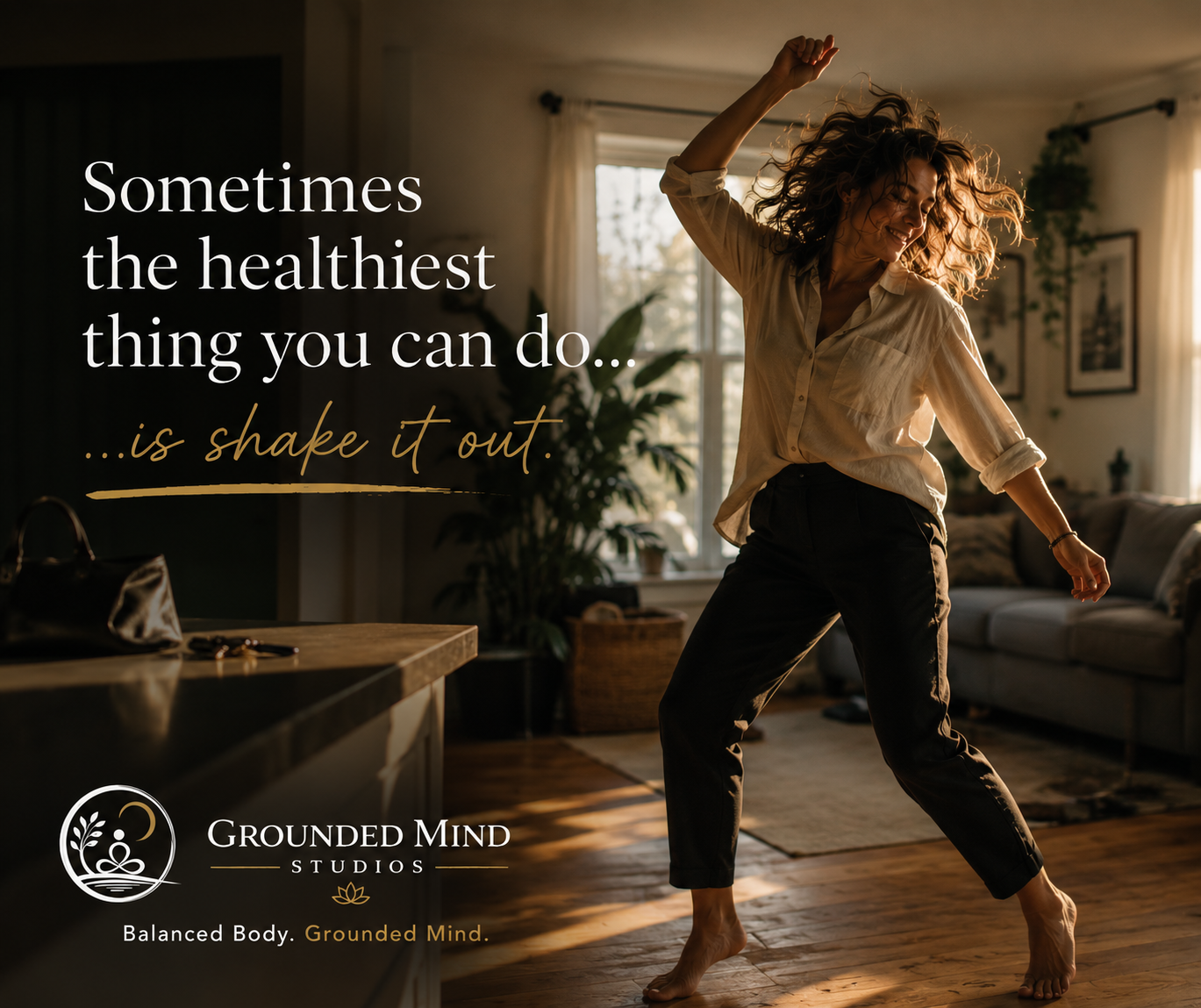
I turn on Taylor Swift’s “Shake It Off” and literally shake it out.
It might sound funny, but there is more science behind it than you might think.
Stress Lives in the Body
When we experience stress, our nervous system prepares us to survive.
Your heart rate increases.
Your breathing becomes faster.
Your muscles tighten.
Stress hormones like adrenaline and cortisol are released, preparing your body to respond.
Thousands of years ago, that response often ended with physical movement. We ran from danger, climbed, fought, or worked our way through the challenge.
Today’s stress is different.
The “threat” might be a difficult email, a demanding boss, financial pressure, or a packed schedule.
Your body prepares for action.
But instead of moving, you sit at your desk.
The energy stays with you.
Your Body Wants to Finish the Stress Response
Have you ever watched an athlete shake out their arms before a competition?
Or noticed someone pacing while thinking?
Maybe you have instinctively stretched after an emotional conversation.
Movement is one of the body’s natural ways of releasing built-up tension.
That does not mean you need an intense workout every time life becomes stressful.
Sometimes your nervous system simply needs permission to move.
Why Dancing Can Help
When you dance, your body does more than burn calories.
You loosen tight muscles.
You breathe more deeply.
You shift your attention away from racing thoughts.
You reconnect with the present moment.
Music also activates emotional centers in the brain, which is one reason it can instantly change your mood.
That combination of movement, breath, and music can help many people feel calmer, lighter, and more grounded.
There Is No Wrong Way to Shake It Out
Your version of “Shake It Out” does not have to involve dancing.
It might look like:
Going for a walk around the block.
Stretching between meetings.
Shaking out your arms and shoulders.
Taking a few yoga poses.
Playing with your kids.
Hiking a favorite trail.
Turning up your favorite song and dancing like nobody is watching.
The goal is not to perform.
The goal is to release.
Movement Is Mindfulness
Many people imagine mindfulness as sitting perfectly still with their eyes closed.
Sometimes mindfulness looks very different.
Sometimes mindfulness is becoming aware that your body is carrying stress and giving it what it needs.
One deep breath.
One stretch.
One song.
One dance around your kitchen.
Mindfulness is not about perfection.
It is about paying attention.
Final Thoughts
Life will always bring stress.
We cannot eliminate every deadline, difficult conversation, or unexpected challenge.
What we can do is learn healthier ways to respond.
The next time you feel overwhelmed, instead of pushing through, try pressing play.
Turn on your favorite song.
Move your body.
Shake out the tension.
Take a deep breath.
You might discover that your body already knows how to begin healing.
Ready to Learn Practical Ways to Manage Stress?
At Grounded Mind Studios, we believe stress management should fit into everyday life.
Through mindfulness coaching, yoga, breathwork, movement, and corporate wellness programs, we help people develop practical skills that support resilience, emotional well-being, and a healthier nervous system.
Whether you are looking for personal coaching, private yoga, group classes, or workplace wellness solutions, we are here to help.
References
Levine, P. A. (2010). In an Unspoken Voice: How the Body Releases Trauma and Restores Goodness.
American Psychological Association. Stress Effects on the Body.
Harvard Health Publishing. Exercise Is an All-Natural Treatment to Fight Depression.
National Center for Complementary and Integrative Health. Mind and Body Practices.