
Yoga for Stress Relief
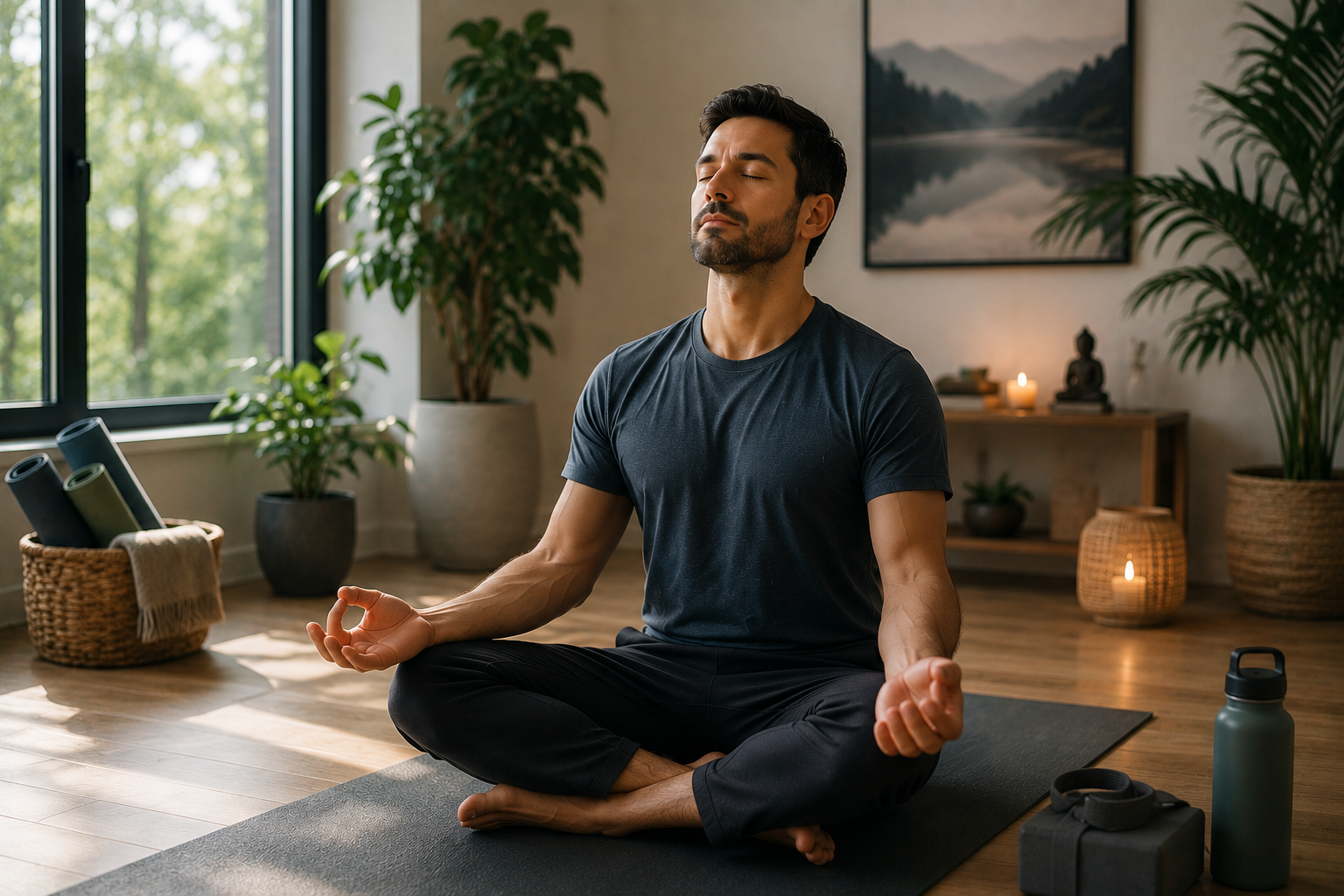
Why yoga helps with stress
Combines breath, movement, and mindful awareness to calm the nervous system.
Activates the parasympathetic response (rest-and-digest), lowering heart rate and cortisol.
Reduces muscle tension and improves sleep, mood, and emotional regulation.
Builds resilience through consistent, gentle practice that retrains how you respond to stressors.
Simple guidelines before you begin
Find a quiet, comfortable space with room to move. Use a mat or soft surface.
Wear comfortable clothing and have a blanket or bolster nearby for support.
Breathe through the nose when possible; follow an easy, steady rhythm.
Move within your comfort zone—avoid forcing depth to avoid increase in stress or injury.
Aim for short, consistent sessions (10–20 minutes daily) rather than occasional long practices.
Tips for a sustainable stress-relief practice
Keep it short and regular: daily 10–20 minutes is more effective than sporadic long sessions.
Prioritize quality of attention over complexity of poses.
Use breath as the anchor: when stress rises during the day, pause for a minute or two of mindful breathing.
Integrate micro-practices: standing stretches, shoulder rolls, or a brief seated breath break at your desk.
Consider classes focused on restorative yoga, yin, or gentle flow when beginning.
When to modify or avoid
If you have health conditions (cardiovascular issues, high/low blood pressure, glaucoma, pregnancy, recent surgery or injury), consult a healthcare professional or qualified yoga teacher for safe modifications.
Avoid intense inversions or breath retention if you feel dizzy or anxious; stick to calming, supported poses.
Closing note Consistent, gentle yoga practice trains the nervous system to move from reactive