
Mindfulness vs. Meditation
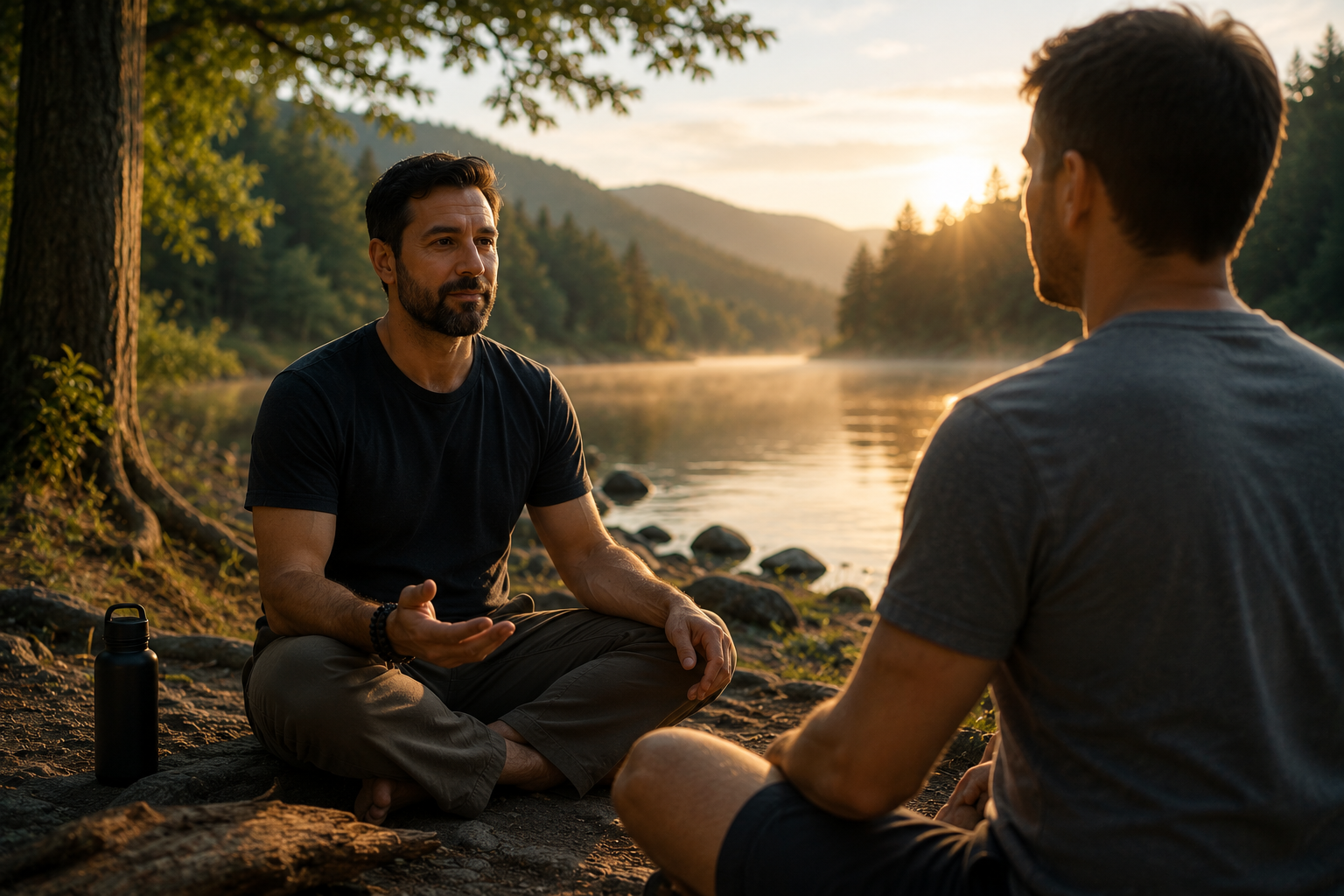
Mindfulness vs. Meditation
Mindfulness and meditation are often used interchangeably, but they refer to related—yet distinct—practices. Understanding the difference helps you choose how to bring more presence, calm, and clarity into daily life.
What mindfulness is
Mindfulness is a quality of attention: intentionally noticing the present moment with openness, curiosity, and nonjudgment.
It can be practiced anytime—while breathing, walking, washing dishes, listening, or working.
Core elements: present-moment focus, nonreactive awareness, and acceptance of experience as it is.
Benefits: reduced stress reactivity, improved focus, greater emotional regulation, and enhanced relationship skills.
What meditation is
Meditation is a formal practice or set of techniques designed to cultivate mental qualities such as concentration, calm, compassion, or insight.
Sessions are typically time-bound and done in a specific posture (sitting, lying, walking) with an intentional focus (breath, body sensations, a mantra, visual object, or loving-kindness phrases).
Common types: focused-attention (concentration on breath or object), open-monitoring (awareness of thoughts/feelings without attachment), loving-kindness (metta), and body-scan.
Benefits: improved attention, reduced rumination, increased self-awareness, and physiological changes that support stress recovery.
How they relate
Mindfulness is both an outcome of meditation and a way of being that can exist outside formal practice.
Many meditation practices are explicitly designed to cultivate mindfulness (for example, mindfulness-based stress reduction, or MBSR).
Meditation provides structured training to strengthen the capacity for mindfulness; mindfulness brings that trained attention into everyday moments.
Practical differences (quick comparison)
Setting: Mindfulness—everyday contexts; Meditation—dedicated sessions.
Structure: Mindfulness—informal and flexible; Meditation—formal techniques and intentions.
Goal: Mindfulness—sustained mindful awareness of life; Meditation—train mind, develop specific qualities (concentration, insight, compassion).
Accessibility: Mindfulness can be practiced immediately; meditation may require learning technique and building habit.
Simple ways to practice each
Mindfulness micro-practices:
One-minute breath check: notice inhalation and exhalation before answering a call or starting a task.
Mindful eating: pause, notice textures, flavors, and the body’s signals for hunger and fullness.
Single-tasking: give full attention to one activity for a set span (5–15 minutes) and note distraction without judgment.
Meditation starters:
5–10 minute breath meditation: sit comfortably, follow the breath, gently return attention when it wanders.
Body-scan: progressively notice sensations from toes to head for 10–20 minutes.
Loving-kindness: silently send phrases of goodwill to yourself and others for 10 minutes.
When to choose which
Use mindfulness when you want immediate, practical presence in everyday life—during commuting, conversations, or work.
Use meditation when you want to deepen attention, reduce chronic reactivity, or cultivate specific qualities like compassion or insight through regular training.
Integrating both
Combine formal meditation sessions (10–30 minutes, several times per week) with informal mindfulness moments throughout the day to anchor changes and make mindful living sustainable.
Track small wins: note one mindful moment daily and one short formal practice each week, then build from there.
Common misconceptions
“You must clear your mind.” Neither mindfulness nor meditation requires erasing thoughts—both teach noticing thoughts without getting caught in them.
“They’re religious.” Both practices are secularizable and supported by scientific research for mental and physical health.
“You need a lot of time.” Benefits accrue from brief, consistent practice—minutes daily are meaningful.
Short practice to try now (2 minutes)
Sit or stand comfortably. Take three slow breaths, noticing sensations of inhalation and exhalation.
For one minute, rest attention on the breath. When the mind wanders, gently return to breath.
For the second minute, widen awareness to body sensations and sounds, holding a neutral, accepting attitude.
A mindful approach to choosing
Decide based on your goals: immediate presence and stress reduction in daily life (mindfulness) vs. systematic cultivation of mental skills (meditation). Both support resilience, balance, and well-being—most people benefit from a combination.
Grounded Mind Studios supports both daily mindfulness and structured meditation practices to help you build steadiness of mind, compassion, and resilience through movement, breathwork, and intentional living.